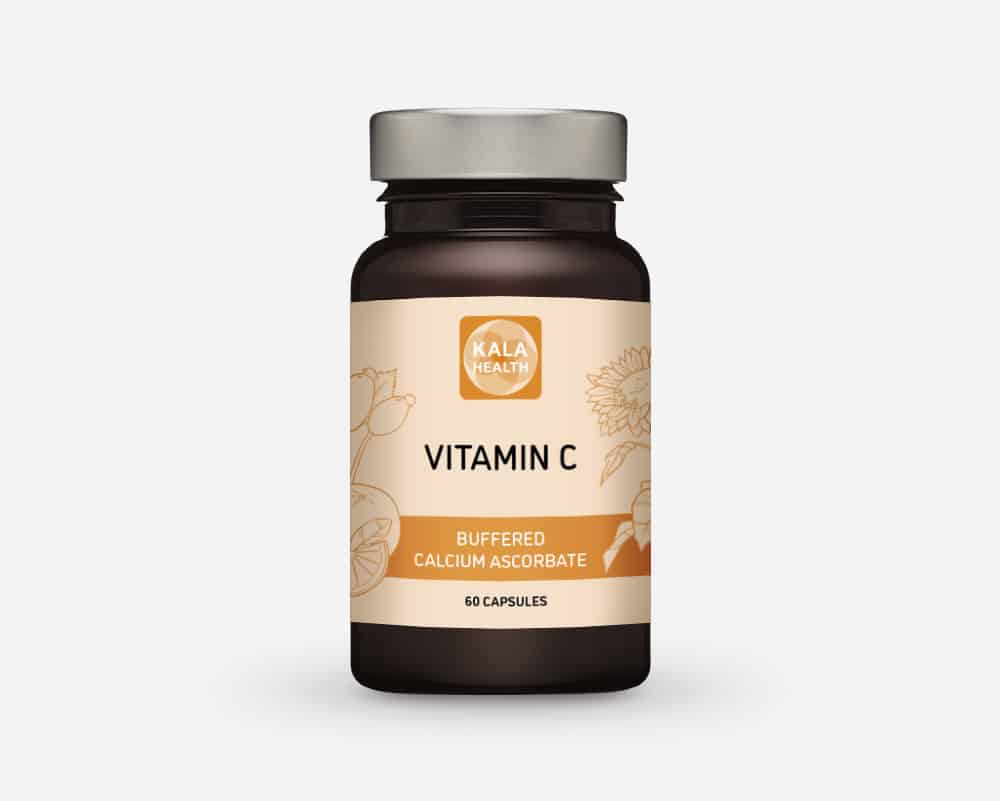
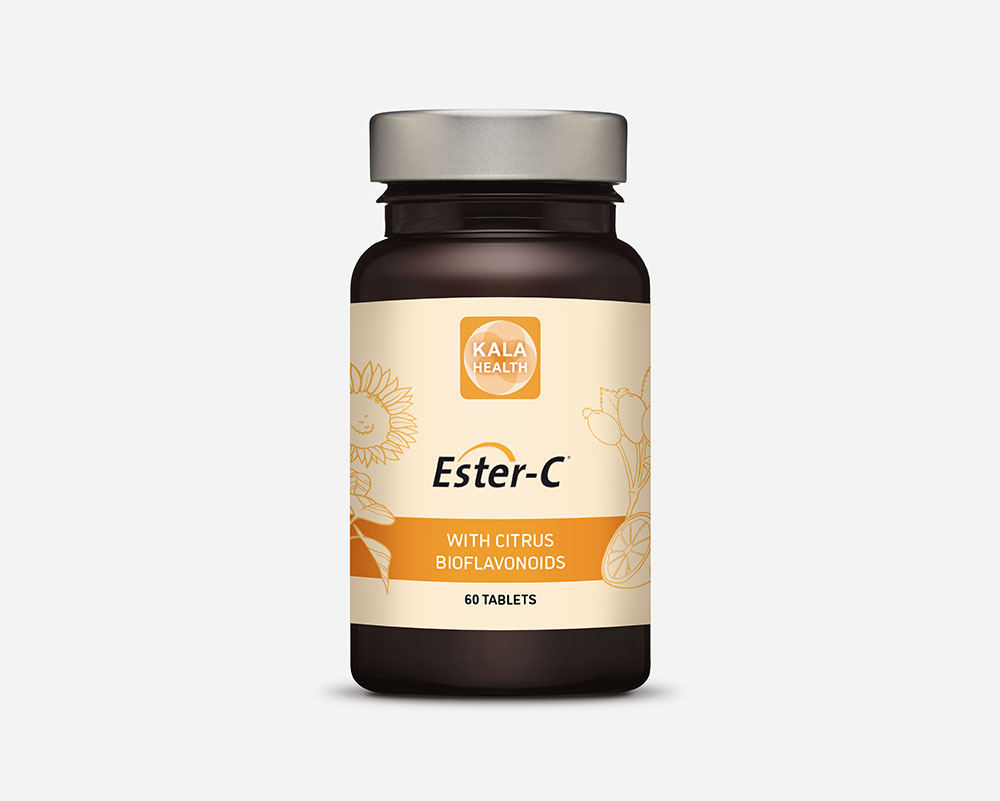
$14.36
$25.41
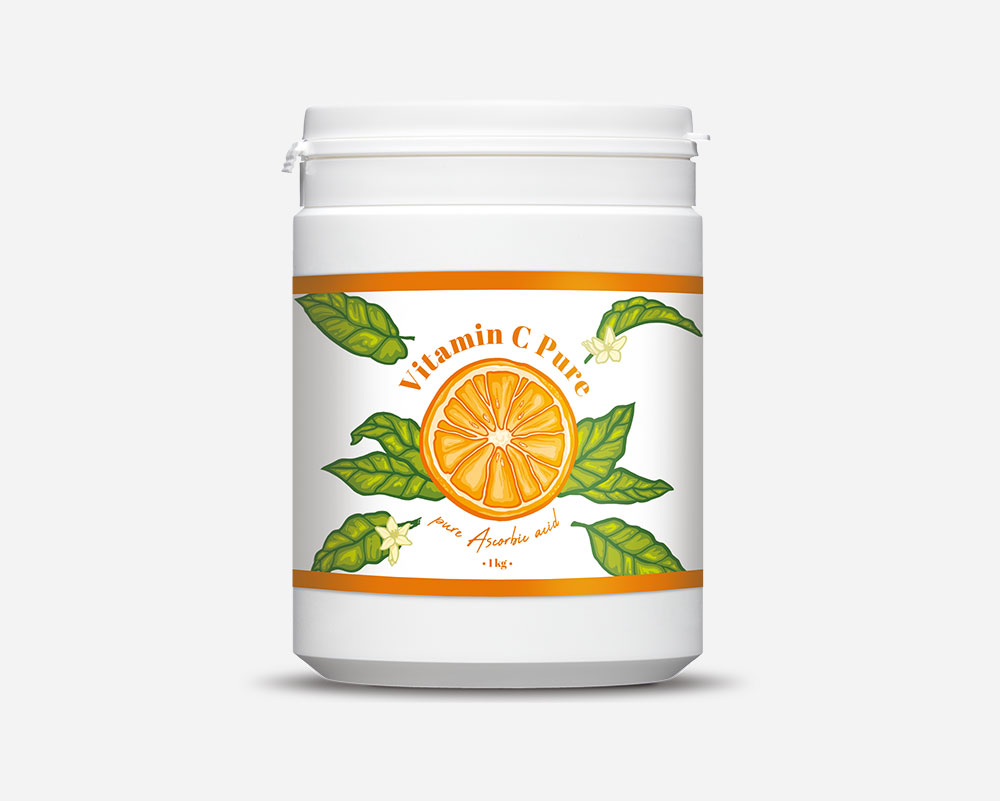
Description Vitamin C Powder (L-Ascorbic Acid) One ingredient, 1,000 mg per scoop. Pure L-ascorbic acid, weighed and packaged at our production facility. No fillers, no binders, no colours or flavours. ✓ 1,000 mg per scoop ✓ Available in 500 g, 1 kg or 5 kg ✓ From 1.4 cents per day What most people don’t know about vitamin C Almost everyone knows that vitamin C is good for immune support. But that is only the tip of the iceberg. Vitamin C is involved in dozens of processes in the body, and this is what you really need to know. A genetic flaw that made us vulnerable Let’s start at the beginning: most mammals produce vitamin C themselves. A dog, a goat, a rat, they produce it continuously in the liver, exactly as much as the body needs. Under stress or infection they even ramp up production. Humans can no longer do this. Millions of years ago we, together with other primates, guinea pigs and a handful of fish species, lost a crucial gene through a genetic mutation. Specifically, it is the gene that codes for the enzyme L-gulonolactone oxidase, which is responsible for the final step in the biosynthetic pathway of vitamin C. Without this enzyme, the body is unable to produce the vitamin from glucose the way all other mammals do. Since then, we have been entirely dependent on what we eat. That comes at a price. Other mammals produce tens of times their usual amount of vitamin C under illness or acute stress. We cannot. Biologically speaking, we are therefore more vulnerable to oxidative damage at the very moments it matters most, precisely when our body is working hardest to recover. Your adrenal glands run on vitamin C Most people don’t know this: the adrenal glands, the organs that produce stress hormones, hold the highest vitamin C concentration of any tissue in the body. And that is no coincidence. Vitamin C is required for the production of cortisol and adrenaline. Scientific research has shown that the adrenal glands actively release vitamin C the moment the stress hormone ACTH (adrenocorticotropic hormone) is secreted, acting as a kind of buffer during the cortisol peak (Padayatty et al., 2007). Every time you are under pressure, your body consumes vitamin C. Under chronic stress the reserves deplete more quickly than you might think. A lower vitamin C level in turn makes you more susceptible to the negative effects of stress. A cycle you can break. Vitamin C contributes to the normal function of the nervous system and to normal psychological function. The adrenal glands hold the highest vitamin C concentration of any organ in the body, and release it directly under stress. Collagen does not exist without vitamin C Collagen is the most abundant protein in the body. It is found in the skin, joints, blood vessels, bones and gums. But producing collagen without vitamin C is biochemically impossible. Vitamin C is a cofactor for two enzymes, prolyl hydroxylase and lysyl hydroxylase, which cross-link and stabilise the collagen fibres. Without enough vitamin C, collagen proteins are unstable and break down quickly. This is exactly why scurvy, the classic vitamin C deficiency disease, began with bleeding gums and fragile blood vessels: the collagen was falling apart. But even without a clinical deficiency, a chronically suboptimal intake slows collagen synthesis. This translates into slower wound healing, less elastic skin and joints that recover more slowly after exertion (Pullar et al., 2017). Absorbing plant-based iron? Without vitamin C it hardly works Iron exists in two forms: haem iron from meat, which the body absorbs easily, and non-haem iron from plant-based sources such as spinach, pulses and nuts. The second type is poorly absorbed unless you consume vitamin C at the same time. Vitamin C enhances the absorption of iron from plant-based sources. For vegetarians, vegans and people who eat little red meat this is particularly relevant: a glass of orange juice with your lentil soup can literally make the difference in your iron status. Vitamin C as a protector of cells The brain also holds a notably high concentration of vitamin C. Vitamin C contributes to the protection of cells against oxidative stress. Oxidative damage plays a role in the ageing of brain cells, and vitamin C is one of the substances that can slow this process. Why 80 mg is not nearly enough The European recommended daily intake of 80 mg was designed to prevent one thing: scurvy. Not to allow a body under pressure to function optimally. The difference is significant, and it becomes clear as soon as you zoom in on what your body actually does with vitamin C. How much do you actually need? The European recommended daily intake (RDI) stands at 80 mg. Yet studies show that as little as 10 mg per day is enough to prevent scurvy; 80 mg builds up a reserve that continues to protect against scurvy for 30 to 45 days even if intake stops entirely. This is a safety margin, not a target value. How high the actual optimal intake lies becomes clearer through a comparison with animals. Almost all mammals produce vitamin C themselves in the liver. A goat at rest produces around 33 mg per kilogram of body weight; under illness or stress that rises to 190 mg/kg, nearly six times as much. A rabbit increases its production under stress by as much as 25 times. Converted to a human body weight of 70 kg, a healthy, unstressed person would, on the basis of these animal production values, need daily intakes of 0.4 to 3 grams. In periods of illness or severe stress that rises to 3 to 17 grams. These are extrapolations, not clinical guidelines, but they illustrate how modest the official RDI actually is. The generally accepted safe upper limit for adults is 2,000 mg per day. The EFSA sets the recommendation for men at 110 mg and for women at 95 mg per day. But there are situations in which the need is considerably higher: smokers consume vitamin C more rapidly due to oxidative load, athletes and people under sustained stress consume more through the adrenal glands, and pregnant and breastfeeding women have a higher requirement for the development of the child. As pure as it gets One ingredient: L-ascorbic acid. This is vitamin C in its most directly absorbable form. No tablet press needed, no capsules. Because vitamin C is water-soluble, you can simply dissolve it in water or add it to a smoothie. Per scoop (1 gram) Amount % NRV* Vitamin C (L-ascorbic acid) 1,000 mg 1,250% * NRV = Nutrient Reference Value for an adult (80 mg per day). Ingredients: Vitamin C (as L-ascorbic acid). Includes a 1.0 gram measuring scoop. No added preservatives, synthetic fragrances, colours or flavours. Why we choose 1 gram per day The 1 gram per scoop is not an arbitrary choice. Based on the animal extrapolation, the optimal requirement for a healthy, unstressed adult lies somewhere between 0.4 and 3 grams per day. 1 gram sits comfortably within that range: well above what is needed to prevent deficiency, and well below the safe upper limit. The scoop also gives you the freedom to deviate from this. Half a scoop for daily maintenance, a full scoop as a baseline, two scoops under increased load (sport, stress, recovery). That is why we offer vitamin C in powder form: the dose adapts to the user, not the other way around. The Kala approach: we control what ends up in your jar Not every L-ascorbic acid is the same. The name is identical, the chemical formula too, but purity, origin and production method can vary significantly. Most supplement brands leave production entirely to third parties. We do things differently. At Kala Health, we select raw materials based on chemical purity, origin and certification, before a single gram is purchased. From raw material to jar, here is how we work: Audit at the source. We assess suppliers ourselves on quality standards, certificates of analysis and production processes. Not every L-ascorbic acid is equal. Direct sourcing. By purchasing directly from the producer, without intermediaries, we pay less. That saving is passed on in full to our customers. No importer margin. No loading by a contract filler. Just the product, fairly priced. Packaged in-house in the Netherlands. The powder is weighed and packaged at our own production facility. No external contract filler, no unnecessary intermediate step. Fair pricing, no compromises. Pure L-ascorbic acid: no fillers, preservatives or synthetic fragrances, colours or flavours. Just vitamin C, in its most direct form. Tested in-house for purity and safety The raw material is verified at the supplier on the basis of certificates of analysis. On arrival at our production facility, we perform a second, independent check. Each batch is tested for: Identity and content: confirmation that the ingredient is in fact L-ascorbic acid and meets the specification Heavy metals: lead, arsenic, cadmium, mercury (well below EU limits) Microbiological purity: yeasts, moulds, pathogens Only after approval does the raw material enter production. The finished product is checked again after filling, before the jar leaves the facility. All specifications can be viewed in the product gallery. Fairly priced: from 1.4 cents per day The price per gram falls as the package size grows. A large share of supplement costs does not sit in the ingredient itself, but in encapsulation, tableting and intermediary trade. With powder in bulk packaging, all of that falls away. Package Price Per day* 500 g €15.95 3.2 cents 1 kg €24.95 2.5 cents 5 kg €69.95 1.4 cents * based on a daily dose of 1 gram. Why customers choose our Vitamin C Powder One ingredient. Pure L-ascorbic acid, no fillers, binders, coatings or synthetic additives. Full control over the dose. With the 1-gram scoop you can scale up or down as your body needs, without being locked into a fixed capsule dose. Water-soluble. Easily dissolved in water, tea or a smoothie. No swallowing, no aftertaste from coatings. No intermediary trade. We buy directly from the producer and package at our production facility in the Netherlands. Every batch tested for identity, heavy metals and microbiological purity at our production facility. Consistently positive customer feedback about our L-ascorbic acid. Available in 500 g, 1 kg or 5 kg. Bulk packaging eliminates the cost of encapsulation or tableting. Suitable for vegetarians and vegans. FSSC 22000-certified, GMO-free, non-irradiated. A vitamin with dozens of roles Vitamin C is not a miracle cure. It does not prevent colds or cure cancer. But it is one of the most versatile micronutrients we know of: involved in the production of stress hormones and collagen, the absorption of iron, and the protection of cells against oxidative stress. And because our body does not produce it, does not store it, and consumes it faster under stress and exertion, a consistent, sufficiently high intake is a logical part of a healthy foundation for most people. Food remains the best source: peppers, kiwi, broccoli, strawberries and citrus fruits are all rich in it. But anyone who wants to supplement that intake, simply, affordably and without additives, can do so with pure L-ascorbic acid powder. One gram per day, dissolved in water. That’s all it takes. EFSA-approved health claims for vitamin C Under EU Regulation 432/2012, the following approved health claims apply to vitamin C: Contributes to the normal function of the immune system (including after exercise) Contributes to the maintenance of the normal function of the immune system during and after intense physical exercise (at a daily intake of at least 200 mg in addition to the RDI of 80 mg) Contributes to normal energy-yielding metabolism and to the reduction of tiredness and fatigue Contributes to the normal function of the nervous system Contributes to normal psychological function Contributes to the protection of cells from oxidative stress Contributes to normal collagen formation Contributes to the normal function of blood vessels, bones, cartilage, skin, gums and teeth Contributes to the regeneration of the reduced form of vitamin E Increases iron absorption from food Certifications GMO-free: certified in accordance with EC 1830/2003 Non-irradiated: in accordance with EC 1999/2 FSSC 22000: international food safety standard Vegetarian and vegan: exclusively L-ascorbic acid, no animal-derived ingredients Product features 1,000 mg of vitamin C per level scoop Pure L-ascorbic acid, without fillers, binders or coatings Water-soluble, easily dissolved in water or a smoothie Flexible dosing thanks to the powder form and included scoop Available in 500 g, 1 kg or 5 kg (from 1.4 cents per day with the 5 kg package) Weighed and packaged at our production facility in the Netherlands, FSSC 22000-certified Suitable for vegetarians and vegans Product Specification Sheet viewable in the product gallery No added preservatives, synthetic fragrances, colours or flavours GMO-free and non-irradiated in accordance with EU legislation About Kala Health Kala Health was founded in 1997 by Paul Klein Breteler. Since then he has formulated his own supplements, treated clients and advised on nutrition and supplementation. That combination of developing, producing and advising has always been at the core of Kala Health. We make no compromises on quality and carefully test all raw materials in independent laboratories. Today we work with a team of nutrition specialists, an in-house therapist and a pharmacist. Everything happens at our own FSSC 22000-certified facility in the Netherlands: from raw material analysis to finished product, under our own supervision. This integrated approach allows us to deliver products you can fully rely on: transparent, pure and effective. Written by Marijn Lewis, PhD Science Communication & Nutrition Research at Kala Health in References Padayatty, S. J., Doppman, J. L., Chang, R., Wang, Y., Gill, J., Papanicolaou, D. A., & Levine, M. (2007). Human adrenal glands secrete vitamin C in response to adrenocorticotrophic hormone. The American Journal of Clinical Nutrition, 86(1), 145–149. https://doi.org/10.1093/ajcn/86.1.145 Pullar, J. M., Carr, A. C., & Vissers, M. C. M. (2017). The roles of vitamin C in skin health. Nutrients, 9(8), 866. https://doi.org/10.3390/nu9080866 Questions about vitamin C? Would you like to know more about vitamin C, or do you have questions about your own situation? Our team of nutrition specialists and therapists would be glad to help. Call us on ( 31) 070 345 0290 or email
[email protected].